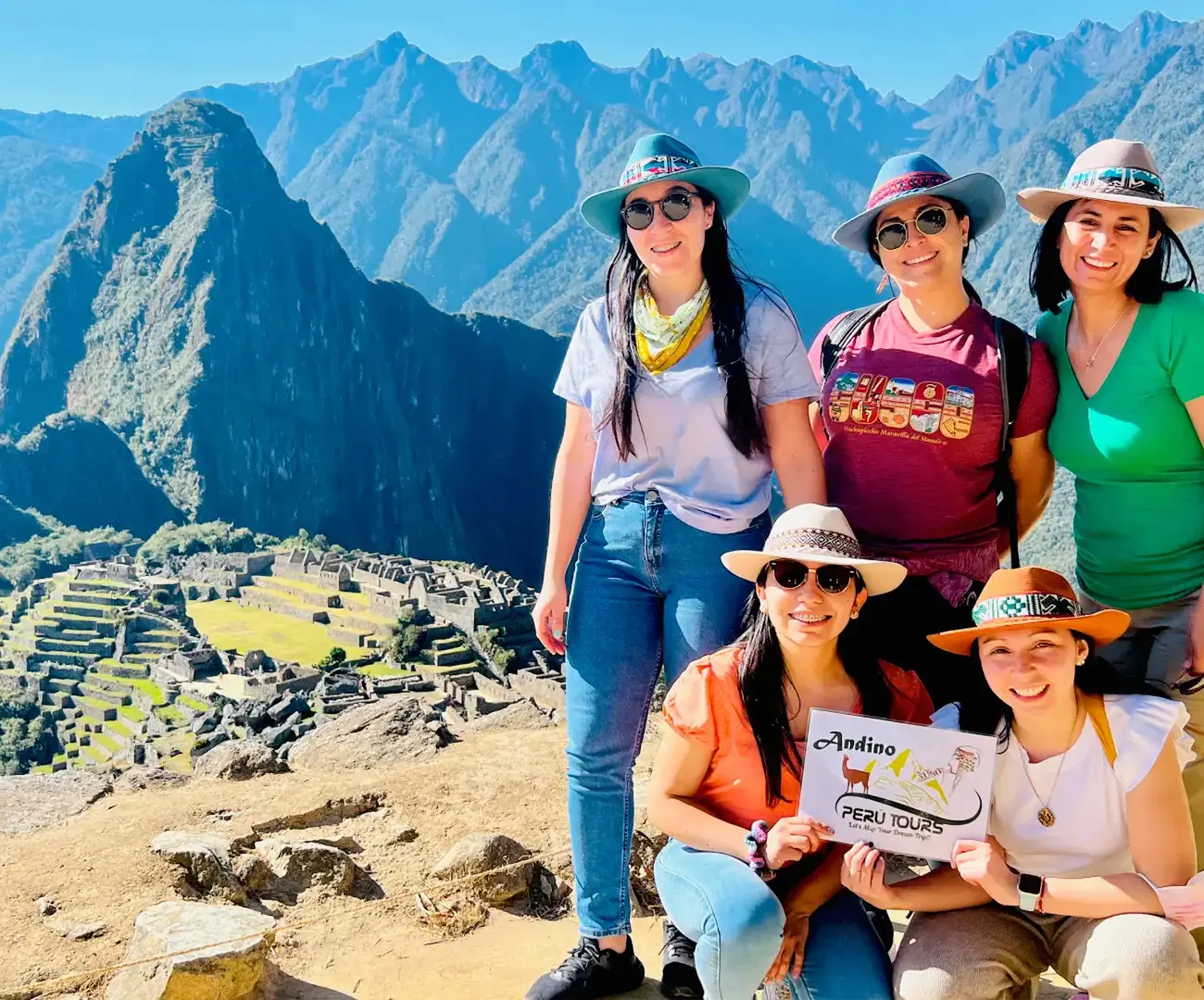
Peru Immigration Guide 2026: Visas and Residency Procedures

Peru welcomes thousands of foreigners every year who arrive for various reasons: tourism, work, study, etc. For all of them, understanding the Peruvian immigration system is the first step toward regularizing their status and avoiding legal complications during their stay.
The National Superintendency of Migration is the agency responsible for managing, controlling, and overseeing migration movements within the country. Knowing its procedures, deadlines, and requirements in advance can make the difference between a smooth experience and weeks of unnecessary paperwork.
This guide offers clear, up-to-date, and practical information on everything you need to navigate the immigration system smoothly, from your initial entry as a tourist to obtaining permanent residency.
Key Procedures: How to Proceed
1. Know Your Immigration Status Upon Entry
The first document that governs your status in Peru is the one you receive upon entry: the Andean Migration Card (TAM). It records your date of entry and the number of days you are authorized to stay in the country.
Citizens of most Latin American countries and several European countries can enter as tourists without a visa and stay for up to 183 days per calendar year. However, this period varies by nationality, so it is essential to verify the specific conditions for your country of origin before traveling on the official website of Migraciones Perú (migraciones.gob.pe).

2. Types of Visas and Immigration Statuses
Depending on the purpose of your stay in Peru, there are different immigration statuses you may qualify for.
- Tourism: Up to 183 days per calendar year. Valid for tourism, family visits, and cultural activities.
- Work: For foreigners hired by Peruvian companies or who will engage in paid work in the country.
- Study: Requires proof of enrollment at an institution recognized by the Peruvian government.
- Family reunification: For spouses, minor children, or dependents of Peruvian residents or citizens.
- Foreign Resident Card: An identity document for foreigners who have already been granted temporary or permanent residence in Peru.
Each category has different requirements, processing times, and costs. Before beginning any application process, it is advisable to consult directly with the Immigration Office.

3. Extension of Stay
If you need more time before reaching the 183-day limit, you can apply for an extension at any Immigration office with your valid passport and payment of the corresponding fee.
If you have found a job or wish to study, you must change your immigration status before starting.
4. Applying for a Foreigner’s ID Card
The Foreigner’s ID Card is the official identification document for foreigners legally residing in Peru, whether temporarily or permanently. It is equivalent to the DNI for Peruvian citizens and allows you to carry out banking, employment, educational, and administrative procedures within the country.
5. Where and How to Complete the Procedures
Most immigration procedures in Peru can be initiated through the Migraciones online portal (migraciones.gob.pe), where forms, updated requirements, and the online appointment system are available. However, many procedures also require an in-person visit.
The main service offices are located in Lima (headquarters in Breña), but there are regional offices in the country’s major cities.
Frequently Asked Questions
Most visitors are allowed to stay for up to 183 days per calendar year. The specific duration is granted by the immigration officer upon arrival and is recorded in your Virtual Andean Migration Card (TAM).
It is the official identification document for foreigners with residency status in Peru. It allows you to open bank accounts, sign legal contracts, and work legally within the country.
No, it is illegal to perform paid activities under a tourist status. To work formally, you must apply for a change of immigration status to a "Worker" visa through the National Superintendence of Migrations.
Stay extensions for tourists are now handled online through the Migraciones Digital Agency. You must process the extension before your current authorized period expires to avoid fines or legal issues.
The main headquarters is in Lima (Breña district). However, there are decentralized offices in major cities like Cusco, Arequipa, and Iquitos. Most initial applications are now submitted online via the official Migraciones website.