The Qhapaq Ñan, the Great Road of the Incas
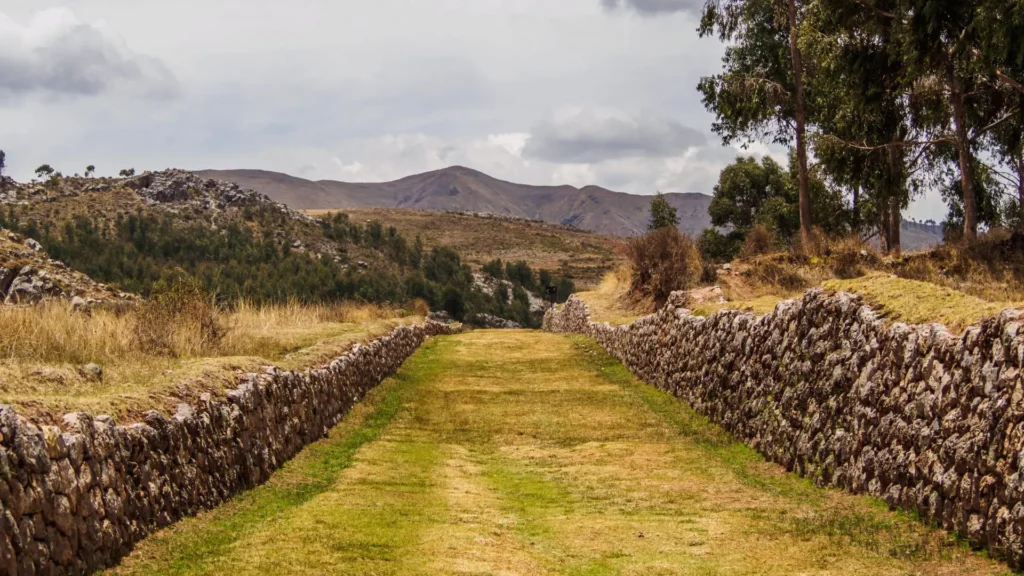
The Qhapaq Ñan, known as the Lord's Road or Royal Road, was the main artery of the Inca Empire. More than just a means of communication, it represented a political, economic, and cultural project that allowed for the integration of the vast and diverse territories of Tawantinsuyu, from southern Colombia to Chile and Argentina.
A road network of subcontinental dimensions
The Qhapaq Ñan was much more than a single road. It was a road network of more than 23,000 kilometers, connecting mountains, valleys, deserts, and jungles. From its center in Cusco, it extended in all four directions of the empire:
- Chinchaysuyu to the north, reaching Quito.
- Collasuyu to the Bolivian highlands and southern Argentina and Chile.
- Contisuyu to the southern coast of Peru.
- Antisuyu to the Amazon.
This complex network was not built from scratch. The Incas took advantage of and perfected pre-existing roads from previous cultures, such as the Wari and Tiwanaku. Their great merit was to organize them into a planned road system, with equipment that guaranteed its functioning.
Functions of the Qhapaq Ñan
The Qhapaq Ñan was not only for the transit of people. Its importance lay in multiple functions:
- Economic: It connected different ecological zones for the exchange of agricultural products, minerals, and handicrafts.
- Political and social: It facilitated control of the empire, allowing for the transfer of mitimaes (relocated populations) and the supervision of conquered territories.
- Military: It ensured the rapid mobilization of armies throughout the empire.
- Spiritual: It connected the Incas with shrines and ritual spaces of great importance.
Along the road, tambos (inns and warehouses), chaskiwasis (housing for the Inca messengers, the chasquis), and bridges were built, ensuring mobility and supply.
The Qhapaq Ñan today
After the arrival of the Spanish, many parts of the road were forgotten or reused for colonial purposes.
However, even today, Andean communities continue to use some sections as local communication routes.
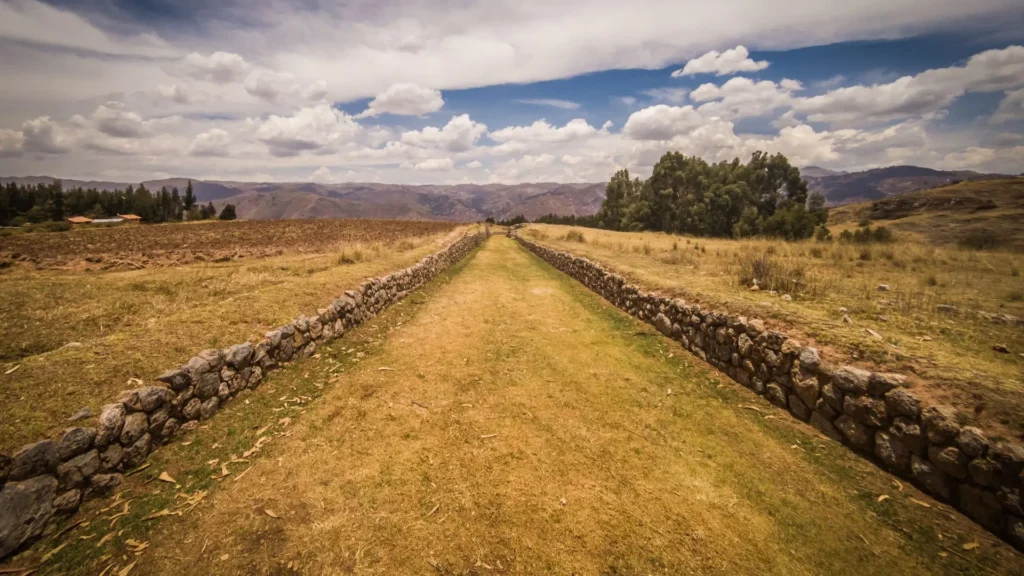
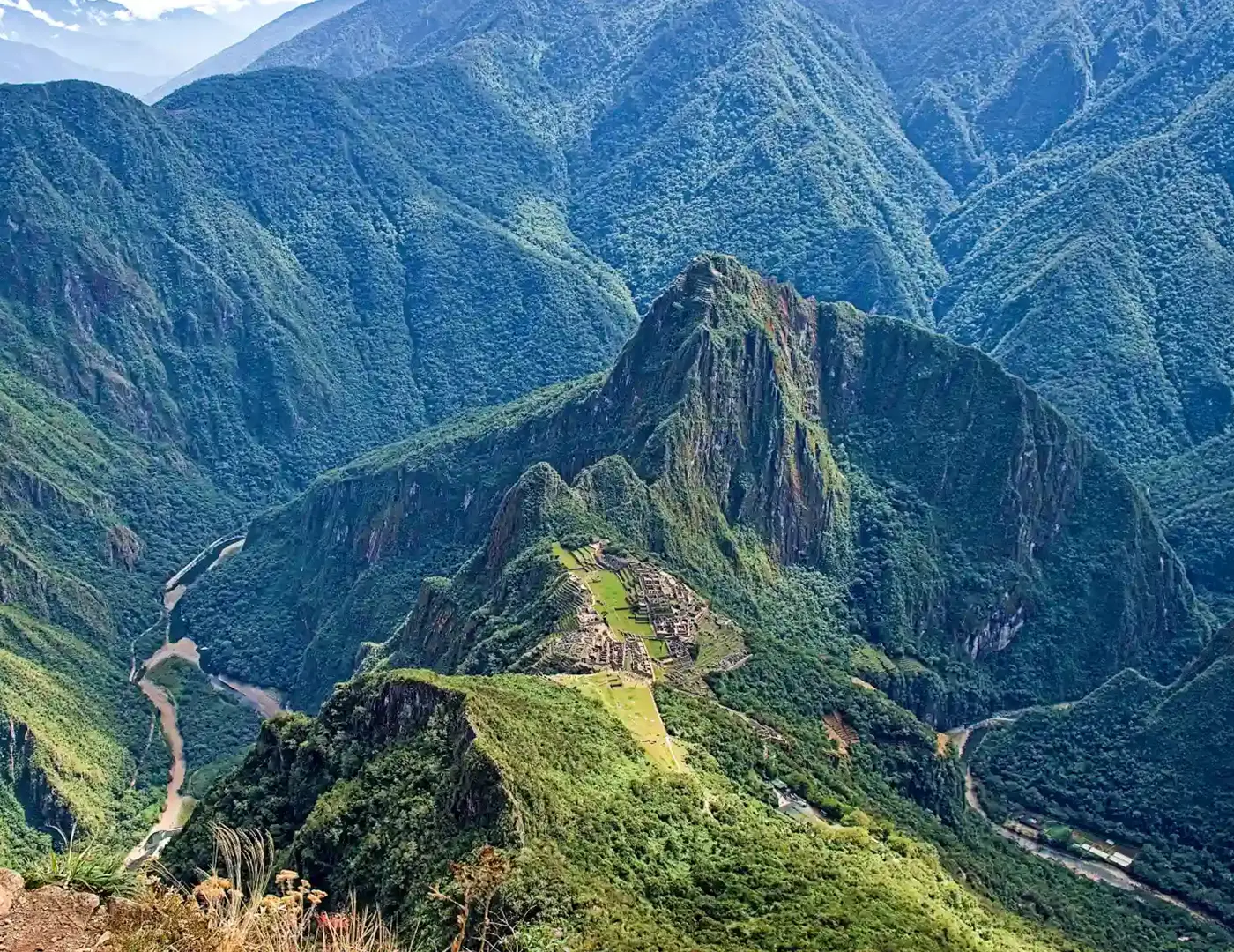
Today, the Qhapaq Ñan has also become a tourist and cultural attraction. In Cusco, for example, there are routes such as the famous Inca Trail to Machu Picchu, which allows travelers to explore part of this historic road network while passing through Andean landscapes, archaeological sites, and unique natural settings.
In addition, in 2014, the Qhapaq Ñan was declared a World Heritage Site by UNESCO as a symbol of Andean integration and cultural heritage shared by six countries: Peru, Ecuador, Colombia, Bolivia, Chile, and Argentina.
A living legacy of the Andes
The Qhapaq Ñan is not just an archaeological relic. It is a tangible trace of the greatness of the Inca Empire and a reminder of the Andean ingenuity in connecting such diverse territories. Today, traveling along it is not only walking on ancient stones but also getting closer to the history, culture, and worldview of the peoples who gave life to the Andes.